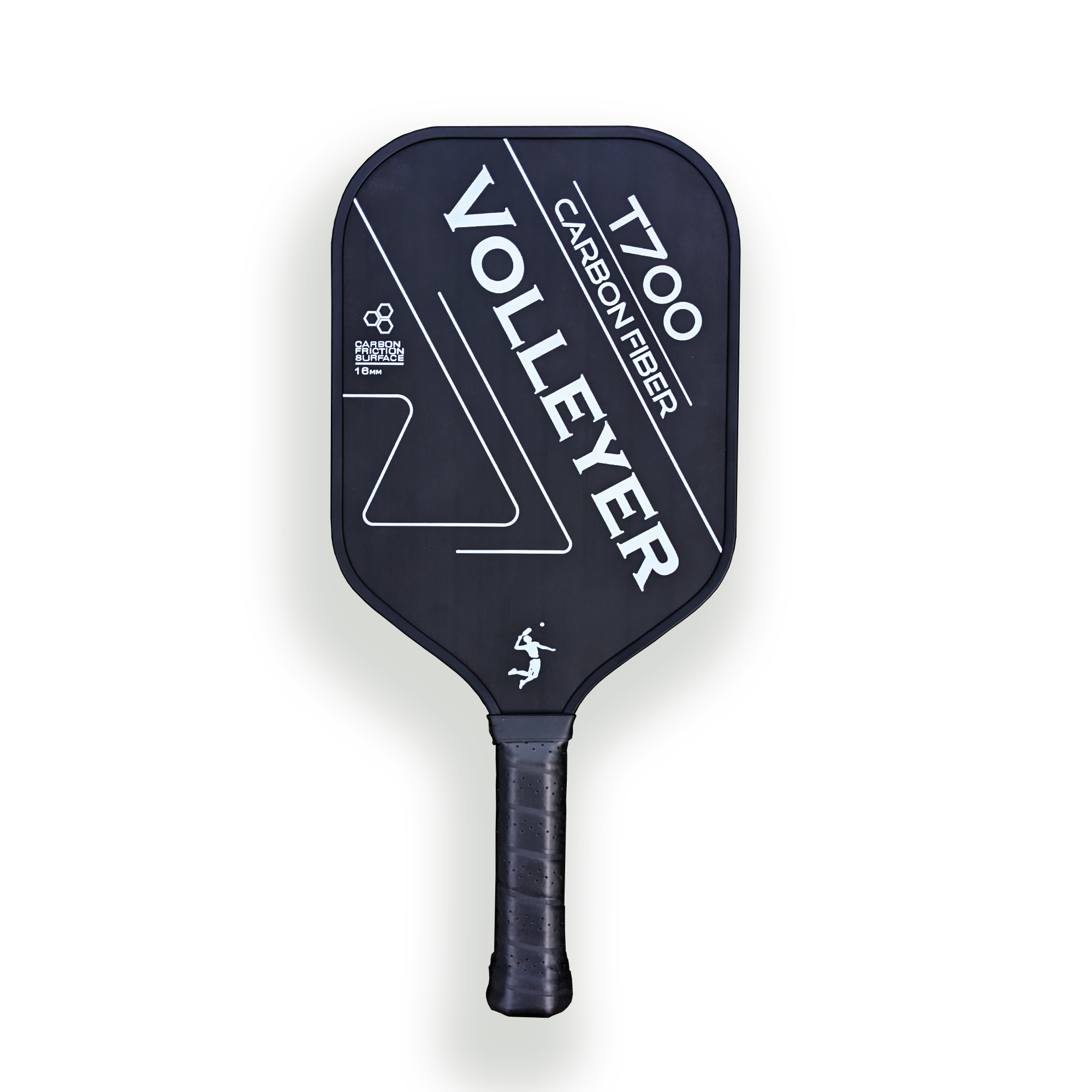
Pickleball is booming across the UK, with over 10,000 players and a 15% annual growth rate transforming leisure centres in London, Manchester, Bristol, and Glasgow into lively hubs for the sport. Whether you’re a beginner, who now make up around 40% of UK players, or an advanced competitor, paddle stickiness (often called grip or texture) can make a big difference. A tackier paddle surface helps generate spin, improve control, and elevate overall performance on the 20x44ft court.

But how can you safely make a pickleball paddle sticky without breaking the rules or risking damage? This guide explains why paddle texture matters, how to enhance it legally, and the simple steps you can take to keep your paddle in top shape. We’ll also look at the benefits of raw carbon fibre paddles, like the increasingly popular T700, naturally known for its spin-friendly surface and share cleaning and care tips to keep your game sharp in 2025, from Cardiff to Edinburgh.
For pickleball basics, see our what is pickleball guide. Shop Volleyer Now to get a naturally sticky paddle!
How to Make a Pickleball Paddle Sticky
Making a pickleball paddle sticky means restoring or enhancing the paddle’s surface texture so the ball grips better, giving you more spin and control. The key is to do this safely and legally under official rules, without damaging your equipment. Here’s a simple, UK-friendly step-by-step guide.
Step 1: Clean the Paddle
- Why start here? Dirt, sweat, and residue reduce natural tackiness. Cleaning restores the paddle’s original grip.
- How to do it: Use a soft microfiber cloth with a little mild washing-up liquid and lukewarm water. Gently wipe the paddle face, then dry with a towel. For stubborn marks, a paddle cleaning block or eraser works well.
- Tip for UK players: If you often play outdoors in damp conditions, clean your paddle after each session to prevent buildup.
- Time: About 5 minutes, once a week.

Step 2: Use a Paddle Eraser to Restore Texture
- Why? Over time, paddles can pick up fuzz and dust that dull the surface. A paddle eraser removes this and brings back some stickiness.
- How to do it: Rub the eraser lightly in small circles across the paddle face, then wipe clean with a dry cloth. Don’t overdo it, as heavy rubbing can wear the surface.
- Tip for UK players: Especially useful for indoor courts where dust settles on the paddle quickly.
- Time: 2–3 minutes every couple of weeks.
Step 3: Add Lead Tape for Stability
- Why? While it doesn’t make the paddle sticky on its own, adding a little weight with lead tape improves control and stability, which can make the paddle feel “grippier” in play.
- How to do it: Apply small strips of lead tape to the paddle’s edge or throat. Start light (3–5 grams) and adjust gradually. Test it out on court before adding more.
- Tip for UK players: Helpful on windy outdoor courts where you need extra stability.
- Time: About 5 minutes when adjusting.
Step 4: Use Approved Grip Enhancers
- Why? Some players use grip sprays or tack cloths for a temporary boost in stickiness. As long as they don’t alter the paddle face permanently, these are generally allowed.
- How to do it: Apply a light spray or wipe just before playing, then remove any excess.
- Tip for UK players: Handy for humid sports halls where sweat makes the paddle feel slippery.
- Time: 1 minute before a match.

Step 5: Maintain with Regular Practice and Care
- Why? The more consistently you use and clean your paddle, the better it holds its natural texture. Good habits prevent wear and help maximise spin.
- How to do it: Wipe down your paddle after each session, and schedule a deeper clean weekly. Combine this with practice drills focused on spin and control.
- Tip for UK players: In club sessions, make cleaning part of your routine so your paddle always feels ready for match play.
- Time: Ongoing.
Caution: Avoid sanding, applying glue, or using any abrasive methods on your paddle. These not only damage the surface but also break tournament rules, which can lead to disqualification at competitive events in the UK.
Why Would You Make a Pickleball Paddle Sticky?
A paddle with good surface grip can make a noticeable difference in how you play. By helping the ball connect more firmly with the paddle face, stickiness enhances control and allows for a wider range of shot-making options.
Enhanced Spin
A tackier paddle surface lets you put more topspin on passing shots or add backspin to keep the ball low after a bounce. This is especially valuable near the kitchen line, where spin can force opponents into making errors.
Better Control
In the UK, damp weather and humid indoor halls can make paddles feel slippery. A slightly stickier surface helps reduce mishits and gives players more confidence in their touch play.
Improved Power Transfer
A secure grip on the ball also means more energy is passed through the shot. This allows for cleaner drives and volleys without feeling like the ball is sliding off the paddle face.
Relevance for UK Players
From outdoor clubs in rainy Southampton to indoor courts in Glasgow, a paddle that maintains natural stickiness helps beginners and advanced players alike. It provides consistency across different playing conditions and reduces the frustration of unforced errors.
Note: Too much stickiness can actually harm performance. If the paddle grips the ball excessively, it may slow your swing or cause unpredictable rebounds. The goal is balance, not over-enhancement. to faults if not legal, so stick to approved methods.
Does It Actually Work?
Yes, adding stickiness can make a real difference, but the results depend on the method and the condition of your paddle.

Effectiveness
Cleaning a paddle or using an eraser can restore a noticeable amount of lost spin. Adding lead tape improves stability, which helps with shot control. Temporary grip sprays or tack cloths can also boost tackiness, although the effect usually fades after a short time.
Player Feedback
Many players report improved spin and touch after cleaning or restoring their paddle surface. The gains are often modest, but enough to make dinks, slices, and topspin shots feel more reliable. However, frequent overuse of enhancers can reduce the lifespan of the paddle face.
Relevance for UK Players
In humid cities such as Edinburgh or Glasgow, paddles can lose grip quickly during long indoor sessions. Restoring stickiness helps maintain consistency, especially for soft shots near the net.
Limitations
None of these methods are permanent. Over time, all paddles lose surface texture. Most players find they need to replace a heavily used paddle after six to twelve months to maintain peak performance.
Is It Legal to Make a Pickleball Paddle Sticky, or Against the Rules?
Understanding what is allowed is essential, especially for players who enter competitions. Pickleball England follows the same equipment rules set by the USA Pickleball Association (USAPA), so legality is the same across both countries.
Legal Methods
Cleaning your paddle, using an eraser to restore the surface, or adding lead tape for extra stability are all permitted. These methods do not alter the paddle face beyond the approved limits and are widely accepted in both casual and tournament play.
Illegal Methods
Altering the paddle face with sanding, applying glue, or adding rough coatings is against the rules. These changes can push the paddle surface beyond the maximum grit level allowed and may lead to disqualification at competitive events.
Relevance for UK Players
If you plan to compete in events such as the English Nationals or other sanctioned tournaments, it is important to use only approved methods. Even for recreational play, sticking to legal approaches helps preserve the integrity of the game.

Practical Advice
If in doubt, check whether your paddle model appears on the official approved list. Using paddles with a naturally textured surface is a safe way to benefit from extra grip without needing further modifications.
Is It Frowned Upon in the Pickleball Community?
Opinions on paddle stickiness vary, and much depends on whether you are playing socially or in competition.
Positive Views
Many players see cleaning, using an eraser, or adding lead tape as routine maintenance rather than modification. In recreational clubs, these steps are widely accepted and often encouraged to help keep paddles in good condition.
Critical Views
In competitive settings, excessive attempts to increase stickiness are sometimes frowned upon. Some players feel that going beyond simple maintenance could create an unfair advantage and blur the line between legal and illegal equipment changes.
Relevance for UK Players
In social sessions, such as local club play, most players are relaxed about approved methods that keep paddles feeling fresh. However, those who compete in tournaments tend to be more cautious and avoid anything that could raise questions of fairness or sportsmanship.
Recommendation
Stick to recognised, legal enhancements. This keeps the game fair, protects your equipment, and ensures you are welcome in both recreational and competitive settings.
What Would UK Players Be Better Off Doing Instead?
Rather than relying on DIY modifications, there are several simple and effective alternatives that can improve performance while staying within the rules.
Choose a Paddle with Natural Texture
Some paddles are made with raw carbon fibre or other naturally gritty materials that hold their spin and grip for months. Investing in a paddle with a high-quality surface is often more reliable than trying to restore worn-out texture.
Keep Up with Regular Cleaning
Wiping down your paddle weekly with a damp microfiber cloth helps maintain its natural stickiness and prevents dirt or sweat from reducing performance. This small habit extends paddle life significantly.
Practise Spin Techniques
Improving stroke mechanics often has a bigger impact on spin than surface changes. Working on topspin serves, slices, and controlled dinks can help you get more from your paddle’s natural texture.

Refresh Your Grip
If the handle grip wears down, replacing it with a new one improves comfort and control, especially in damp or humid UK playing conditions. Fresh grips are inexpensive and make a noticeable difference in match play.
Relevance for UK Players
Whether you play indoors in Manchester or outdoors in Brighton, these approaches are fully legal, widely accepted in the community, and often more effective than short-term fixes.
How to Clean Your Pickleball Paddle After Play
Cleaning is vital, as per the sources:
- Step 1: Wipe with a dry microfiber cloth to remove surface dirt.
- Step 2: Use mild soap and water for deep cleans, drying thoroughly.
- Step 3: Apply a paddle eraser for stubborn residue, avoiding abrasives.
- UK tip: Clean after outdoor practise in rainy Cardiff to maintain the T700’s stickiness.
- Time: 5–10 minutes weekly.
For detailed steps, see our cleaning guide.
Frequently Asked Questions
How can you make a pickleball paddle sticky?
The best methods are simple maintenance steps such as cleaning with mild soap and water, using a paddle eraser, or adding lead tape for stability. Avoid sanding or applying rough coatings, as these are against the rules.
Why would you want a sticky pickleball paddle?
A slightly tackier paddle face improves spin, control, and touch, which helps players at all levels, especially in UK conditions where damp weather can make paddles slippery.
Does restoring stickiness actually work?
Yes, but results vary. Cleaning and light surface care can bring back some lost spin and control, though the effect is not permanent.
Is adding grit legal in pickleball?
No. Altering the paddle face with sanding or rough coatings is illegal under official rules. Cleaning and adding lead tape, however, are allowed.
Is it frowned upon in the community?
Most players are fine with legal maintenance methods, especially in recreational play. In competitive settings, excessive modifications are discouraged and may be questioned.
What is a better alternative to adding grit?
Choose a paddle with a naturally textured surface, practise spin techniques, and replace worn grips regularly. These options are effective, fully legal, and widely accepted.
How do you clean a pickleball paddle after play?
Use a soft cloth with a little mild soap and water, then dry thoroughly. This removes dirt, sweat, and residue while keeping the surface in good condition.
Conclusion
Making a pickleball paddle sticky is less about drastic modifications and more about smart maintenance. Regular cleaning, using a paddle eraser, or adding small touches like lead tape can restore natural grip and improve control without breaking the rules. For UK players, where damp weather and indoor humidity are common, these simple steps can make a noticeable difference.
The key takeaway is balance. A paddle that is clean, well-maintained, and used with solid technique will perform better and last longer. Over-modifying can harm the paddle, reduce its lifespan, and risk disqualification in competitive play.
Whether you are playing socially in your local club or preparing for national tournaments, sticking to approved methods ensures fairness, consistency, and respect within the community. With the right care, your paddle can help you play confidently from Cardiff to Edinburgh in 2025 and beyond.
Ready to make your paddle sticky? Shop Volleyer Now for the Volleyer T700 and enhance your spin in the UK!
Top rated products
-
Handcrafted with Japanese Toray® T700 raw carbon — The Paddle That Gives You Pro-Level Spin and Control
Original price was: £91.78.£55.07Current price is: £55.07. -

Practice Longer, Play Better — Volleyer 3 Ball Practice Pack
£6.96 -

Vintage Canvas Duffle Bag for Men & Women | Luxury Weekender Gym Travel Tote
£95.00 -

Heritage Canvas Pickleball Paddle Sling Bag | Custom UK Sleeve with Strap
£45.00 -

Premium Cashmere Knit Half-Zip Jumper
£115.00
