Pickleball is booming across the UK. From community halls in Manchester to seaside courts in Brighton, and from Glasgow clubs to student unions in Cardiff, more people are discovering the fun and challenge of this fast-paced sport. If you are just starting, or looking to sharpen your game, there is one rule that often causes confusion but is absolutely essential: the kitchen rule, also known as the non-volley zone (NVZ).
In this guide, I’ll take you through everything you need to know about kitchen rules: what is allowed, what causes faults, common misunderstandings, strategy, drills, and how to avoid mistakes. If you want deep technical detail on momentum and borderline cases, check out my companion post Pickleball Momentum: Mastering Kitchen Rules in the UK.
What Is the Kitchen / Non-Volley Zone (NVZ)?
Before we dive into the rules and tactics, we need to establish exactly what the kitchen (NVZ) is.

- The kitchen or NVZ is the area extending 7 feet (≈2.13 metres) from the net on each side.
- It includes the kitchen line, which marks the boundary of that zone. That line is part of the kitchen; if your foot, paddle, clothing, or anything connected to you touches it during a volley, that is treated as “in the kitchen”.
- A volley is any shot taken without letting the ball bounce on your side of the net first.
These definitions are aligned with the official USAPA Pickleball rules, which most UK clubs and tournaments adopt. Because kitchen rules are central to match fairness and strategy, understanding them well will help avoid embarrassments, frustrated opponents, and lost points.
Core Kitchen Rules: What You Must Know
These are the fundamental rules that every player in the UK should internalise:
- No volleying while touching the kitchen or kitchen line If, at the moment your paddle strikes the ball (volley), any part of your body, paddle, clothes or anything you’re wearing or holding touches the kitchen or its kitchen line, that’s a fault.
- Ball may bounce in the kitchen You may let the ball bounce first, then step into the kitchen and play it either as a groundstroke or a drop/shoot etc. This is fully legal.
- Momentum rule: cannot step into / touch the kitchen after a volley because of forward motion Even if you begin the volley from outside the kitchen, if your follow-through, body motion, or skid/stumble causes you to touch or step into the kitchen or onto the kitchen line, that’s a fault. For more detailed examples, see my post Pickleball Momentum: Mastering Kitchen Rules in the UK.
- Service rules involving the kitchen When you serve, the ball must land past the kitchen line in your opponent’s court. A serve that lands in the kitchen or touches the kitchen line is a fault (short serve).
Why These Rules Matter
These rules are not arbitrary. They protect fairness, extend rallies, add strategic variety, and make pickleball more interesting for beginners and advanced players alike. Without them:
- Players could continually volley at the net, dominating with raw power.
- Points would end much more quickly, reducing the importance of skill, placement, and patience.
- Strategy (dinks, drop shots, soft play) would lose relevance.
In UK recreational play, where many courts are indoors or in multi-use sports halls, the kitchen rule encourages safer play, reduces smash-dominance, and helps less experienced players stay in rallies.

Common Mistakes & Misunderstandings
Even people who have played for some time often misapply or misunderstand kitchen rules. Here are frequent pitfalls:
| Mistake | What people think | Why it’s actually a fault |
|---|---|---|
| “I can edge forward after I hit the volley, that’s allowed” | They believe as long as paddle contact was outside the kitchen, all is forgiven | Momentum still counts; if any part crosses into or touches the kitchen because of that motion, it is a fault |
| “Only feet count, so if my paddle touches it without my feet moving, that’s fine” | They separate paddle from body | Rule includes paddle, clothing, etc. |
| “If I serve and the ball just clips the kitchen line, it’s OK” | Thinking line contact small or “just grazing” is acceptable | Kitchen line is part of NVZ; any serve landing on line is a short serve (fault) |
| “If the ball bounces first, I can always enter kitchen and volley from inside” | Confusion about bounce vs volley | Only after the bounce may you play the ball in kitchen; volleying still is only permitted outside NVZ with no touch of line/zone at volley time |
Real-World Examples
Let’s walk through examples, because seeing a situation helps a lot.
- Example 1: Volley near the line
You are standing just behind the kitchen line. Someone lobs to you, you volley, but your momentum pushes you forward and your foot or paddle brushes the line. Fault. - Example 2: Jumping at the net
Opponent hits a fast ball close to the net, you jump to volley it over. You contact the ball while airborne outside the kitchen. But you land inside or on the kitchen line. Fault. - Example 3: Bounced ball then step in
A drop shot bounces just before the line, you step into the NVZ and return it with a groundstroke. This is legal. - Example 4: Serve touching the kitchen line
You serve, the ball arcs and lands such that it touches the receiver’s kitchen line. Even if part of the ball lands beyond, the contact with the line makes it short. Fault. - Example 5: Slippery slide
During a fast exchange, you volley near the net, your foot slips forward unintentionally into the zone because of surface condition. Fault.

Strategy: How to Use Kitchen Rules to Your Advantage
Once you are confident with the rules, you can use them strategically:
- Maintain a small safety buffer: don’t stand right at the kitchen line for volleys. Backing up by a foot or two gives you margin to absorb forward momentum.
- Use soft volleys near the line: especially useful when you expect the opponent to spray or hit a fast shot. A compact block-volleys or soft push can help you maintain position.
- Force your opponent forward: use dinks or drop shots to draw them in. Many players get momentum faults when trying to respond aggressively.
- Plan your approach: when moving forward, do so when the ball bounces first, not on a volley. That way you are already inside legally and less risk of momentum faults.
Drills to Learn & Internalise Kitchen Rules
You get much better when you practise with intention. Here are drills you can add to your training sessions or club practices:
- Line-Awareness Volley Drill
- Place two cones or markers either side of the kitchen, create a visual buffer.
- Stand just behind the buffer. Partner feeds quick volleys.
- After each volley, stop all forward motion; focus on balance and control.
- Bounce-First Entry Drill
- Partner drops or lob shots so that they bounce just before the kitchen line.
- You step forward into kitchen and return the ball.
- Focus on moving in quickly but safely, and ensure you don’t try volleying before bounce.
- Slip & Recovery Drill
- Simulate wet or slippery conditions by lightly misting an indoor court (if permitted) or using slightly less grippy footwear.
- Practice volleys near the kitchen to force small slips. Learn to recover balance rather than over-committing.
- Shadow Practice
- Without ball, simulate volleys from various spots just behind the kitchen line.
- Notice your follow-through, body movement, where your paddle and feet go.
- Mini Match with Kitchen Penalties
- Play matches where any momentum fault counts as double fault. Forces awareness under match pressure.

FAQ: Edge Cases and Clarifications
Here are answers to questions people often ask. If these sometimes confuse you, you’re not alone.
Can I stand inside the kitchen during a game?
Yes. You may be inside or step into the NVZ to play a ball that has bounced. You just cannot volley while standing in or touching the kitchen at that moment of volley.
What counts as “touching” the kitchen-line?
Any part of your body, paddle, clothing, or anything you are wearing or hold that makes contact with the kitchen line or enters the zone. Even a toe tip or paddle tip counts.
Does momentum reset automatically after the ball is struck?
No. Momentum includes your follow-through and body motion until you regain full control. If that motion causes you to make contact with the kitchen or line, it is a fault.
What about UK tournaments, are rules enforced strictly?
In competitive UK tournaments, yes. Referees generally enforce all kitchen rules including momentum. In casual or recreational settings, enforcement may be more forgiving, but relying on leniency is risky.
Are there different rules for wheelchair or adaptive play?
Yes. Wheelchair pickleball has adjustments to NVZ/kitchen line rules, especially in how wheels or chair position interact with the kitchen line. If you play adaptive or wheelchair pickleball, check with the tournament or club’s rule set.
Technical and Rulebook References
- The kitchen / non-volley zone is defined in the USA Pickleball Official Rules.
- The kitchen line is part of the NVZ; line contact is treated as being in the kitchen.
- Momentum rule is clarified in recent rulebook updates. For detailed nuances and borderline cases, refer to Pickleball Momentum: Mastering Kitchen Rules in the UK.
UK-Specific Considerations

Playing pickleball in the UK has its own quirks that interact with kitchen rules:
- Indoor sports halls often have limited space behind courts. Players may be forced closer to the kitchen line. In such venues, awareness of momentum and follow-through is more important.
- Floor surfaces vary: wood, synthetic, polished joints. Slippery floors amplify risk of forward slippage after volleys.
- Weather and outdoor courts: moisture, dew, damp surfaces can make stepping safe behind the line more difficult.
- Clubs and coaching: beginner classes often emphasise soft play and control, which aligns well with kitchen rules. If your club does not, it is worth raising it with coaches to include kitchen discipline early.
Putting It All Together: Best Practices for UK Players
Here is a summary of what you should aim for in your play:
- Always check your position relative to the kitchen line before volleying.
- Use your posture, footwork and paddle control to limit forward momentum.
- Practise drills that simulate real game pressure.
- In match play, err on the side of caution: better to take a small step back than risk momentum fault.
- Maintain consistency: errors in kitchen rules often come from lapses in concentration rather than misunderstanding.
Why the Kitchen Rule Makes Pickleball Unique and Fun
The kitchen rule is part of what distinguishes pickleball from racket sports like tennis or padel. Instead of relying solely on power, players must use finesse, strategy, control and anticipation. This puts a premium on soft touch, placement, movement, and reaction.
For beginners, the kitchen offers a path to improve steadily without being overwhelmed by power players. For experienced players, mastery of kitchen play adds depth to doubles, long rallies, patience and mental sharpness.

Final Thoughts
If you are getting started, or if you have been playing for a while but still find yourself jumping into the kitchen or committing faults you think are unfair, remember: kitchen rules are not about punishment, they are about fairness and strategy.
- Understand the definitions: non-volley zone, kitchen line, volley vs groundstroke.
- Be aware of momentum: how your body or paddle behaves after you volley. For more depth on momentum, please see Pickleball Momentum: Mastering Kitchen Rules in the UK.
- Practise with intention: drills, match simulations, footwork.
- Be patient: skill with kitchen rules comes with repeated effort and awareness.
By mastering the kitchen rules you will stop losing points unnecessarily and start playing with more confidence, control and strategy. Whether you’re playing at your local club at home in Leeds, or competing in tournaments in London or Birmingham, good kitchen play is one of the keys to becoming a better pickleball player.
Top rated products
-
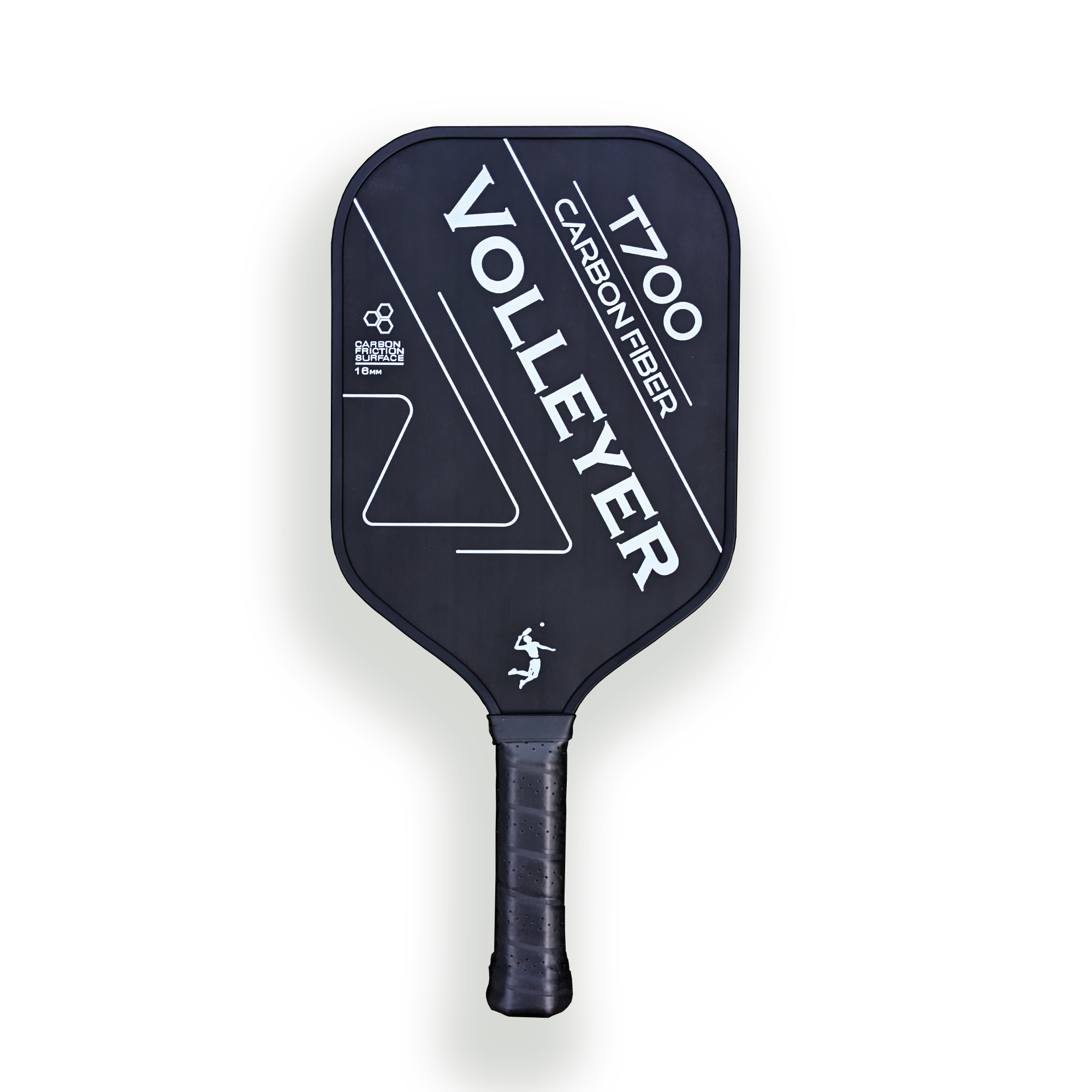
Handcrafted with Japanese Toray® T700 raw carbon — The Paddle That Gives You Pro-Level Spin and Control
Original price was: £91.78.£55.07Current price is: £55.07. -

Vintage Canvas Duffle Bag for Men & Women | Luxury Weekender Gym Travel Tote
£95.00 -

Heritage Canvas Pickleball Paddle Sling Bag | Custom UK Sleeve with Strap
£45.00 -

Premium Cashmere Knit Half-Zip Jumper
£115.00 -

Tailored Fit Polo Shirt
£75.00
