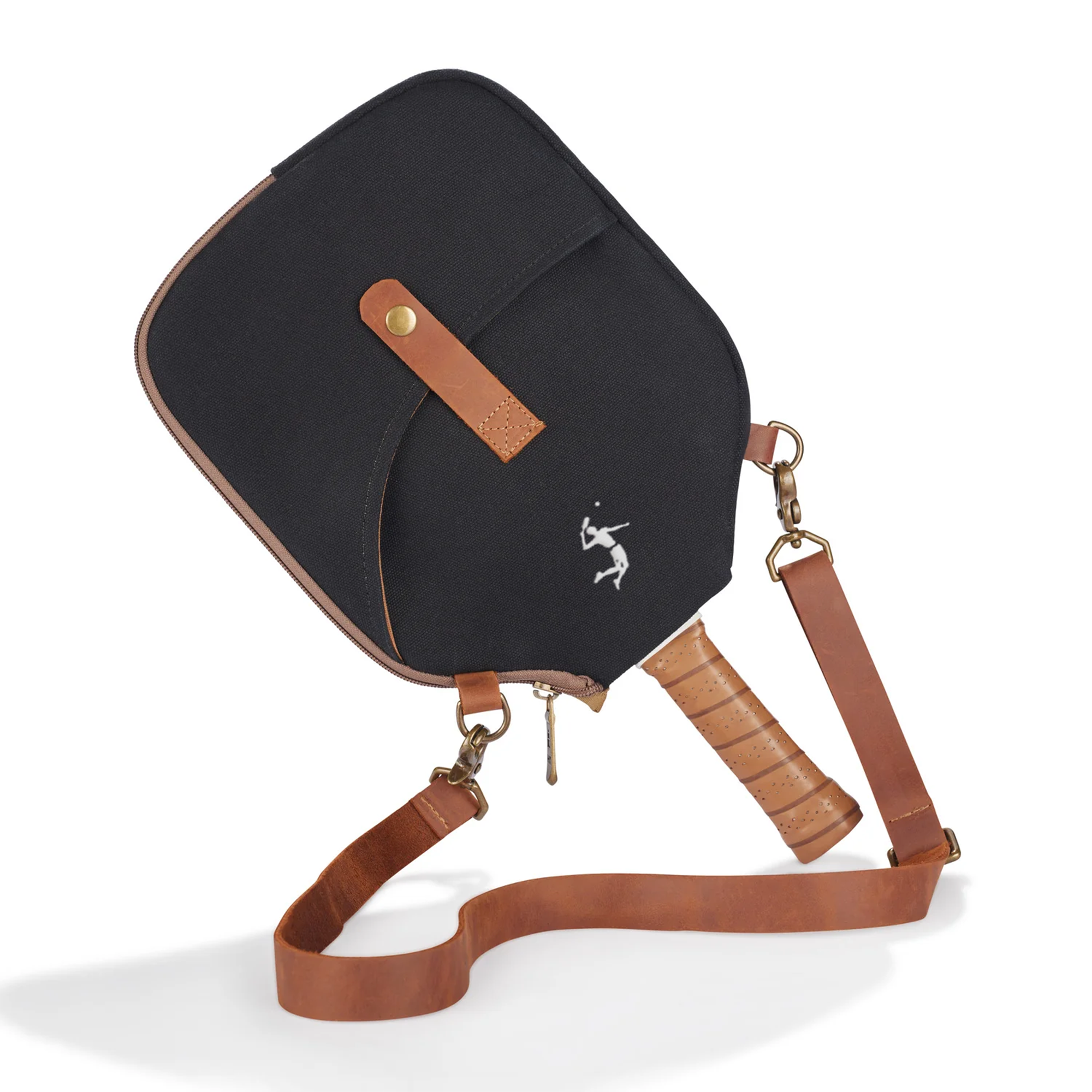
Pickleball is one of the fastest-growing sports in the world, and the UK is quickly catching up. What started as a niche activity is now appearing in leisure centres, tennis clubs and community courts across the country. Because the sport is social, easy to learn and suitable for all ages, hosting a pickleball meetup is a brilliant way to bring people together and help grow the local playing community.
If you’ve been thinking about organising your first event, this guide will walk you through everything you need to know. From choosing the right venue to promoting your meetup and making sure everyone has a great time, these tips will help you host a successful pickleball session in the UK.
Why Host a Pickleball Meetup?
Pickleball thrives on community. Unlike many sports that require large teams or specialised training, pickleball is accessible to beginners and experienced players alike. A meetup gives people a chance to:
- Try pickleball for the first time
- Meet other players in their local area
- Improve their skills in a relaxed environment
- Enjoy a social and active experience
In the UK especially, local meetups are helping introduce pickleball to new audiences. Hosting one can help build a regular playing group and even support the growth of local clubs.
Step 1: Find the Right Venue
The first step in hosting a pickleball meetup is finding a suitable place to play.
Indoor vs Outdoor Courts
In the UK climate, indoor venues are often the most reliable option. Leisure centres, sports halls and badminton courts are commonly used for pickleball sessions.
Outdoor tennis courts can also work well in warmer months. Many clubs allow temporary pickleball court lines or portable nets, making it easy to adapt existing facilities.
Venue Tips
When choosing a venue, consider:
- Court space – Ensure there is enough room for at least one full pickleball court.
- Floor surface – Smooth indoor surfaces such as sports hall flooring are ideal.
- Lighting – Good visibility is essential for beginners.
- Facilities – Changing rooms, seating areas and toilets make the experience more comfortable.
- Location – Choose somewhere accessible via public transport if possible.
If you’re unsure where to start, local leisure centres or tennis clubs are often open to new sports bookings.
Step 2: Gather the Equipment
One of the reasons pickleball is so beginner-friendly is that it requires minimal equipment.
For a typical meetup, you’ll need:
- Pickleball paddles
- Pickleballs (plastic perforated balls)
- A portable pickleball net
- Court boundary lines if using a temporary court
If your venue already runs pickleball sessions, they may provide equipment. Otherwise, many organisers bring spare paddles so newcomers can try the sport without needing to buy anything straight away.
Tip for Beginners
If your meetup is aimed at new players, try to have at least a few extra paddles available. This removes a major barrier for people who are curious about the sport but unsure whether they want to invest in gear yet.
Step 3: Choose the Right Group Size
A successful meetup balances activity with social interaction.
A single pickleball court comfortably supports 4 to 8 players rotating in and out of games. If you expect more participants, consider booking multiple courts or planning a simple rotation system.
For your first meetup, aiming for 8 to 16 players is often ideal. This keeps the event manageable while still creating a lively atmosphere.
Step 4: Promote Your Meetup
Promotion is key to getting people through the door. Even if pickleball is new in your area, there are plenty of ways to reach potential players.
Use Online Platforms
Start by creating an event listing on platforms such as:
- Meetup groups
- Local Facebook community groups
- Sports club noticeboards
- WhatsApp community chats
Make sure your event description clearly explains:
- What pickleball is
- Who the session is suitable for
- Whether beginners are welcome
- What equipment is provided
- How to register
Focus on Local SEO
If you’re promoting through a website or blog, local search optimisation can help people discover your event.
Include keywords such as:
- pickleball meetup UK
- beginner pickleball session
- pickleball near me
- local pickleball club
Adding the name of your town or city also helps people find the event through search engines.
Step 5: Create a Welcoming Environment
One of the most important parts of hosting a meetup is creating a friendly and relaxed atmosphere. Many attendees may be trying pickleball for the first time, so the experience should feel inclusive and supportive.
Start with a Brief Introduction
At the beginning of the session:
- Welcome everyone
- Introduce yourself as the organiser
- Explain the basic rules of pickleball
- Demonstrate how scoring works
This quick introduction helps beginners feel comfortable and ensures everyone starts on the same page.
Encourage Social Play
Pickleball is often described as one of the most social racket sports. Encourage players to rotate partners and play with different people throughout the session.
This keeps games fresh and helps everyone meet new players.
Step 6: Teach the Basics
If beginners are attending, it helps to provide a short introduction to the core rules and techniques.
Focus on the essentials:
- How to serve
- The double bounce rule
- Where players should stand on the court
- The kitchen (non-volley zone) rule
You don’t need to turn the meetup into a formal coaching session. A quick overview followed by plenty of playtime works best.
Many players learn the sport fastest simply by jumping into games and getting comfortable with the paddle and ball.
Step 7: Organise Game Rotation
When multiple players share a court, having a simple rotation system prevents confusion.
A common format is:
- Four players start on the court.
- The winning team stays on.
- The losing team rotates off and new players join.
Alternatively, you can run timed games, switching players every 10 minutes.
The key goal is to make sure everyone gets plenty of playing time without long waiting periods.
Step 8: Keep the Energy Fun and Casual
Unlike competitive tournaments, meetups are about enjoyment and connection.
Encourage:
- Friendly matches
- Lighthearted competition
- Positive encouragement
Players should feel comfortable making mistakes while they learn.
If someone is particularly new, pairing them with a more experienced player can help them improve quickly without feeling overwhelmed.
Step 9: Encourage Community Building
A great meetup often leads to an ongoing playing group. Towards the end of your session, invite participants to stay connected.
You might:
- Create a WhatsApp group for regular players
- Plan a weekly pickleball session
- Share future event dates
Building a consistent group helps maintain momentum and keeps people returning.
In many UK communities, regular meetups eventually grow into full pickleball clubs.
Step 10: Gather Feedback
After the meetup, ask attendees what they thought of the session.
Simple questions include:
- Was the venue suitable?
- Did everyone get enough game time?
- Would they attend again?
- What could be improved?
Feedback helps refine future events and ensures players feel heard.
You may even discover that there is more demand for pickleball sessions than you expected.
Common Challenges (and How to Solve Them)
Hosting a meetup for the first time can come with a few challenges. Fortunately, most are easy to manage.
Too Many Beginners
If many players are brand new, games can slow down. Consider running a short practice session before matches begin so everyone learns the basics.
Limited Equipment
Not everyone will own paddles. Bringing a few extras or encouraging players to share between games can help.
Court Availability
Indoor courts in the UK can book up quickly. Try reserving slots several weeks in advance, especially during winter.
Why Pickleball is Growing in the UK
Part of the excitement around hosting pickleball meetups is being part of a rapidly expanding sport.
Several factors are driving its popularity:
- Easy to learn for beginners
- Suitable for all ages and fitness levels
- Smaller courts compared to tennis
- Strong social element
More leisure centres and sports clubs are starting to add pickleball sessions, meaning the sport is becoming increasingly accessible.
Hosting a meetup now puts you at the centre of this growing movement.
Tips for a Successful First Event
Before your first pickleball meetup, keep these final tips in mind:
Start small
A manageable group makes organisation easier.
Communicate clearly
Provide clear instructions about time, location and equipment.
Be welcoming
Introduce yourself and help new players feel comfortable.
Focus on fun
The goal is enjoyment, not perfection.
Plan the next session
Momentum is easier to maintain when players know another meetup is coming.
Final Thoughts
Hosting your first pickleball meetup can be incredibly rewarding. Not only do you get to enjoy the sport, but you also help introduce others to a game that is fun, social and easy to learn.
With the right venue, a welcoming approach and a little organisation, you can create a session that players will want to attend again and again.
As pickleball continues to grow across the UK, local organisers play an important role in building the community. Your meetup could be the start of a thriving group of players in your area.
So grab some paddles, book a court and invite a few friends — your first pickleball meetup might be the beginning of something much bigger.
If you’d like, I can also help you: