The transition zone — the 15-foot strip between the baseline and the non-volley zone (kitchen) — is where pickleball rallies are shaped and often decided. For many UK players, this area is daunting, earning its nickname “no-man’s land”. However, mastering the transition zone is essential whether you are playing singles or doubles.
The tactics you use in this space differ depending on the format. Singles demands accuracy, stamina, and precise footwork, while doubles requires teamwork, spacing, and communication. This guide breaks down how to approach the transition zone in each format, with examples tailored to UK conditions — from fast-paced indoor play in Birmingham to outdoor challenges in Brighton.
For a foundation on why positioning matters across the whole court, see our Pickleball Court Positioning Guide.
The Role of the Transition Zone in Singles
Singles pickleball is a test of endurance, patience, and accuracy. With only one player covering the full 20-foot width of the court, the transition zone becomes a critical area for gaining ground without leaving yourself vulnerable.
1. Patience Over Power
In singles, rushing through the transition zone often leads to errors. Instead, focus on controlled drops and resets that allow you to advance safely. Patience is key, especially on UK outdoor courts where wind or damp conditions can make aggressive shots unpredictable.
2. Use Depth to Buy Time
Hitting deep into your opponent’s transition zone can force them onto the back foot. A low, driving shot pushes them to defend rather than attack, giving you a chance to step forward gradually.
3. Footwork and Fitness
Covering the whole width of the court alone means constant movement. Quick split steps and staying low help you react to drives. Fitness is particularly important for singles tournaments in the UK, such as those held in Manchester or Leeds, where long rallies test stamina.
4. Key Shots for Singles Transition Play
- The Mid-Court Drop: A soft shot landing in the kitchen that lets you move closer to the net.
- The Low Drive: Keeps your opponent pinned back while you advance.
- The Reset: Essential for neutralising your opponent’s power if they target your feet.
The Role of the Transition Zone in Doubles
In doubles, the transition zone becomes less about covering the whole width and more about moving in sync with your partner. Teamwork is crucial.
1. Moving as a Unit
UK doubles clubs often stress the importance of staying level with your partner. If one player lags behind in the transition zone while the other reaches the kitchen, gaps open up that skilled opponents can exploit.
2. Covering the Middle
The middle of the court is the most common target in doubles rallies. Decide beforehand which partner will take middle balls, usually the one with the stronger forehand. This avoids hesitation in the transition zone, where decisions must be quick.
3. Blocking and Resetting as a Team
When opponents drive at you, both players need to be ready to block and reset. A good doubles pair will mirror each other’s movement, creating a wall that is hard to break down.
4. Key Shots for Doubles Transition Play
- Block Volleys: Essential for neutralising powerful drives aimed between partners.
- Angled Drops: Force opponents wide and create space in the middle.
- Soft Resets: Allow both players to move forward safely and set up kitchen play.
Comparing Singles and Doubles Transition Strategies
| Aspect | Singles Strategy | Doubles Strategy |
|---|---|---|
| Movement | Cover entire width alone, requires stamina. | Move in sync with partner, maintain even spacing. |
| Shot Selection | Mid-court drops and low drives dominate. | Blocks, resets, and angled drops are more common. |
| Positioning Focus | Gradual approach with patience. | Team coverage of middle and avoiding gaps. |
| Biggest Challenge | Fitness and accuracy under pressure. | Communication and avoiding overlap. |
| UK Example | Long singles rallies in Leeds tournaments. | Doubles club matches in Manchester and London. |
UK Indoor vs Outdoor Considerations
The UK climate plays a role in how you approach transition zone strategies.
- Indoor Play (Leisure Centres in London or Birmingham): Faster surfaces and consistent lighting make singles transition play more about speed, while doubles require lightning-quick resets.
- Outdoor Play (Brighton, Cardiff, Blackpool): Wind can push drops off course, requiring extra margin. Damp courts demand caution with footwork, particularly in singles where more ground must be covered.
Drills for Singles and Doubles Transition Play
Singles Drills
- Baseline to Kitchen Ladder: Hit a drop shot, advance one step, reset, repeat until you reach the kitchen.
- Cross-Court Accuracy: Practise hitting low drives into the far corner while moving forward.
Doubles Drills
- Partner Sync Drill: Start at the baseline, move together into the transition zone, block incoming shots, and advance together.
- Middle Coverage Drill: Feed balls down the centre and practise deciding quickly who takes each shot.
Common Mistakes to Avoid
Singles
- Overhitting Drops: Trying to force pace instead of prioritising control.
- Rushing Forward: Leaving yourself open to attacks at the feet.
Doubles
- Uneven Movement: One partner rushing ahead leaves gaps.
- Poor Communication: Hesitation on middle balls is a frequent error in UK doubles clubs.
Frequently Asked Questions
1. Do I need different paddles for singles and doubles transition play?
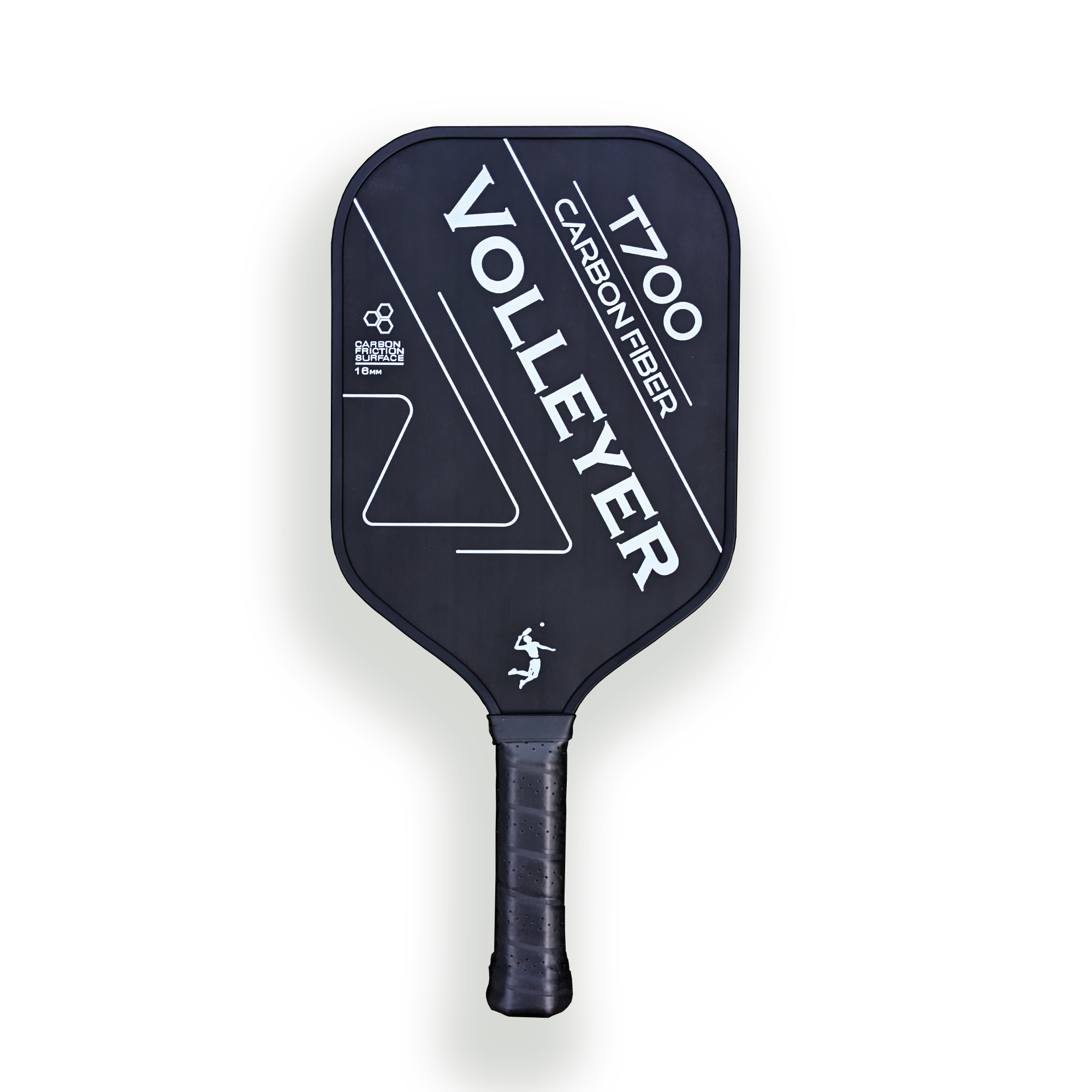
Not necessarily, but a lightweight, spin-friendly paddle like the Volleyer T700 helps in both formats by providing control for resets and drops.
2. Is singles or doubles harder in the transition zone?
Singles demands more fitness and accuracy, while doubles requires better teamwork and coordination. Both are equally challenging in their own way.
3. How do UK conditions affect transition play?
Indoor play is faster and more predictable, while outdoor play requires adaptation to wind and damp conditions.
Conclusion
The transition zone may feel like a no-man’s land, but with the right strategies it becomes an opportunity rather than a weakness. In singles, patience, accuracy, and stamina are vital. In doubles, teamwork, spacing, and communication are the keys to success.
Whether you are competing in a singles tournament in Leeds or playing doubles at a Manchester club, learning to master the transition zone is essential to levelling up your game.
For a deeper look at why positioning shapes every rally, see our Pickleball Court Positioning Guide.
And for equipment that helps you dominate in this crucial area, explore the Volleyer T700 carbon fibre paddle (£64.79, down from £107.98) — the UK’s best choice for control and spin in 2025.