The transition zone in pickleball, the strip of court between the baseline and the non-volley zone (kitchen), is where rallies are often decided. For many UK players, it feels like the most uncertain part of the game. Move too slowly and you get pinned at the baseline. Move too quickly and you risk being caught mid-stride with a drive at your feet. Mastering this zone is essential, whether you are playing in a bustling indoor leisure centre in London or Birmingham, or braving the elements on outdoor courts in Brighton or Blackpool.
This guide explores how indoor and outdoor conditions change the dynamics of transition zone play. It highlights the challenges, adjustments, and strategies UK players need to adopt, with practical tips and equipment insights. For the basics of why positioning matters, see our Pickleball Court Positioning Guide, and for equipment suited to all environments, visit our Paddle Collection.
Why the Transition Zone Matters
The transition zone acts as the bridge between defence and offence. How well you move through it determines whether you can control rallies from the non-volley zone or remain under pressure at the baseline. In professional matches, the difference between players who handle this area with patience and those who rush or panic is striking.
For UK players, the challenge is amplified by the variety of playing environments. Indoor halls provide speed and predictability, while outdoor courts expose you to wind, damp surfaces, and even glare from the sun. Adjusting transition zone strategies to these conditions can be the difference between frustration and success.
The Indoor Transition Zone
Indoor pickleball is booming across the UK, particularly in leisure centres in London, Birmingham, Manchester, and Glasgow. These venues offer consistent lighting, controlled temperature, and smooth surfaces. On paper, that makes the game easier. In reality, the pace of indoor pickleball demands sharper reflexes and quicker decision-making.
Key Characteristics of Indoor Transition Play
- Faster Ball Speed: Smooth wooden or synthetic courts increase the pace of rallies. Balls skid through the transition zone more quickly, giving players less reaction time.
- Predictable Conditions: With no wind or weather, players cannot rely on outside factors to disrupt opponents. Shot placement and precision matter more.
- Compact Movement: Indoor courts are often tight on space around the sidelines and baseline. There is little room to recover if you overcommit in the transition zone.
Common Mistakes Indoors
- Standing Upright: The speed of indoor play punishes players who are flat-footed.
- Over-swinging: With the ball arriving quickly, big strokes often send it long.
- Late Preparation: Indoor drives arrive faster, so players who hesitate with their paddle up often miss.
Indoor Adjustments
- Stay Low and Compact: Bend your knees, keep your paddle high, and shorten your swing.
- Prioritise Blocks and Resets: Instead of trying to match power with power, use soft hands to neutralise opponents.
- Move in Unison in Doubles: With less time to react, advancing together as a pair avoids gaps.
Indoor Equipment Tip
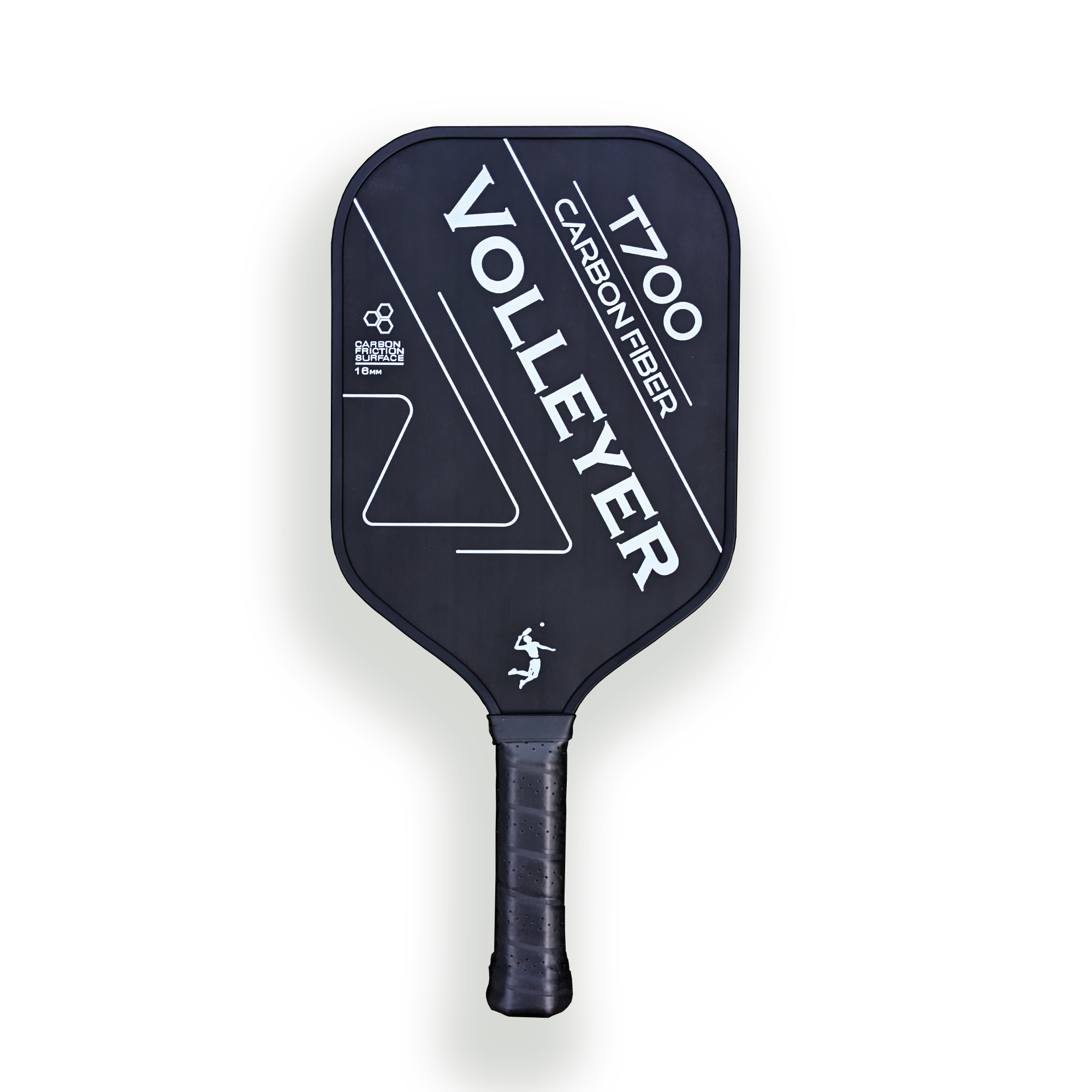
Carbon fibre paddles, such as the Volleyer T700, excel indoors because of their precise control and durable grit. A lightweight paddle with a textured surface helps absorb pace while still generating spin on resets. Explore our range of carbon fibre paddles designed for indoor competition.
The Outdoor Transition Zone
Outdoor pickleball has a different character altogether. In seaside towns like Brighton or Blackpool, wind can completely alter the trajectory of the ball. In Scotland or the North of England, damp courts and cooler air slow rallies, changing timing and footwork demands.
Key Characteristics of Outdoor Transition Play
- Variable Ball Flight: Even a light breeze can carry a lob or push a drive wide.
- Surface Differences: Outdoor tarmac or concrete courts create more grit and can wear down paddles faster.
- Environmental Factors: Sun glare, cold temperatures, and even damp balls affect timing and spin.
Common Mistakes Outdoors
- Ignoring the Wind: Players who hit low, flat shots into the wind often end up in the net.
- Overhitting Resets: Trying to force the ball through the breeze usually leads to unforced errors.
- Poor Footwork: Damp courts make it harder to move quickly, so late positioning is common.
Outdoor Adjustments
- Add Margin for Error: Aim higher over the net on drops and resets to account for wind.
- Use Spin Wisely: Topspin can cut through the breeze, while backspin helps control balls in gusty conditions.
- Anchor Your Footwork: Stay balanced and avoid lunging on slippery or damp surfaces.
- Read the Weather Early: Notice flags, trees, or even your warm-up shots to understand how the wind will affect play.
Outdoor Equipment Tip
Outdoor play demands durability. Raw carbon fibre paddles like the Volleyer T700 withstand abrasive surfaces and maintain spin for longer. Paddle covers are also important in the UK’s wet climate to protect grip and face materials. See our Paddle Accessories section for covers and maintenance tools.
Singles vs Doubles Transition Zone Outdoors
Outdoors, singles players must cover more ground and often rely on fitness and patience to survive the transition zone. Doubles players, by contrast, depend on teamwork and communication to navigate windy or inconsistent conditions.
In UK singles tournaments, players often stay back at the baseline longer, waiting for the right moment to move forward. In doubles club play, especially on exposed courts in Brighton or along the South Coast, both partners must advance carefully together, using soft drops to avoid handing opponents easy volleys.
For a detailed comparison, see our article on Singles vs Doubles Transition Zone Strategies.
Key Drills for Indoor and Outdoor Transition Play
To sharpen your skills for both environments, incorporate these drills into your weekly training.
Indoor Drills
- Fast-Feed Reaction Drill: Have a partner drive balls at you rapidly while you stand in the transition zone. Focus on compact blocks.
- Short-Step Advance: Practise moving forward in small, balanced steps after each shot, never rushing through the zone.
Outdoor Drills
- Windy Day Drops: Practise soft drops into the kitchen on a breezy day, adjusting your aim and spin.
- Footwork Anchoring: On damp or uneven courts, work on wide, stable stances to maintain balance.
Mixed Drills
- Reset Rally: Play rallies starting with both players in the transition zone, focusing on resets until one player earns the net.
- Split-Step Timing: Practise split-stepping just before your opponent strikes the ball in both indoor and outdoor conditions.
Frequently Asked Questions
Is the transition zone harder indoors or outdoors?
Indoors is faster, so reaction time is shorter. Outdoors is less predictable, with wind and damp courts creating unique challenges. Both require different skills.
What is the best paddle for outdoor transition play?
A durable raw carbon fibre paddle is ideal, as it withstands rough surfaces and maintains grit for spin.
Can I use the same strategy indoors and outdoors?
Not effectively. Indoors, you need compact strokes and quick reflexes. Outdoors, you need patience, margin for error, and adaptability to conditions.
How often should I clean my paddle?
Clean after every session, especially outdoors where grit and dirt collect faster. A paddle eraser or microfiber cloth is ideal. See our guide on paddle cleaning and maintenance.
Conclusion
The transition zone is challenging in any setting, but mastering it indoors and outdoors requires different approaches. Indoors in London or Birmingham, rallies move quickly, demanding compact blocks, quick reflexes, and precise placement. Outdoors in Brighton, Blackpool, or Cardiff, the elements make patience, adaptability, and durable equipment essential.
By tailoring your strategies and choosing the right paddle for the conditions, you can turn the transition zone into a strength rather than a weakness.
For equipment that helps you succeed in both environments, explore our collection of carbon fibre paddles and accessories. And for more tactical advice, see our Pickleball Transition Zone Guide.