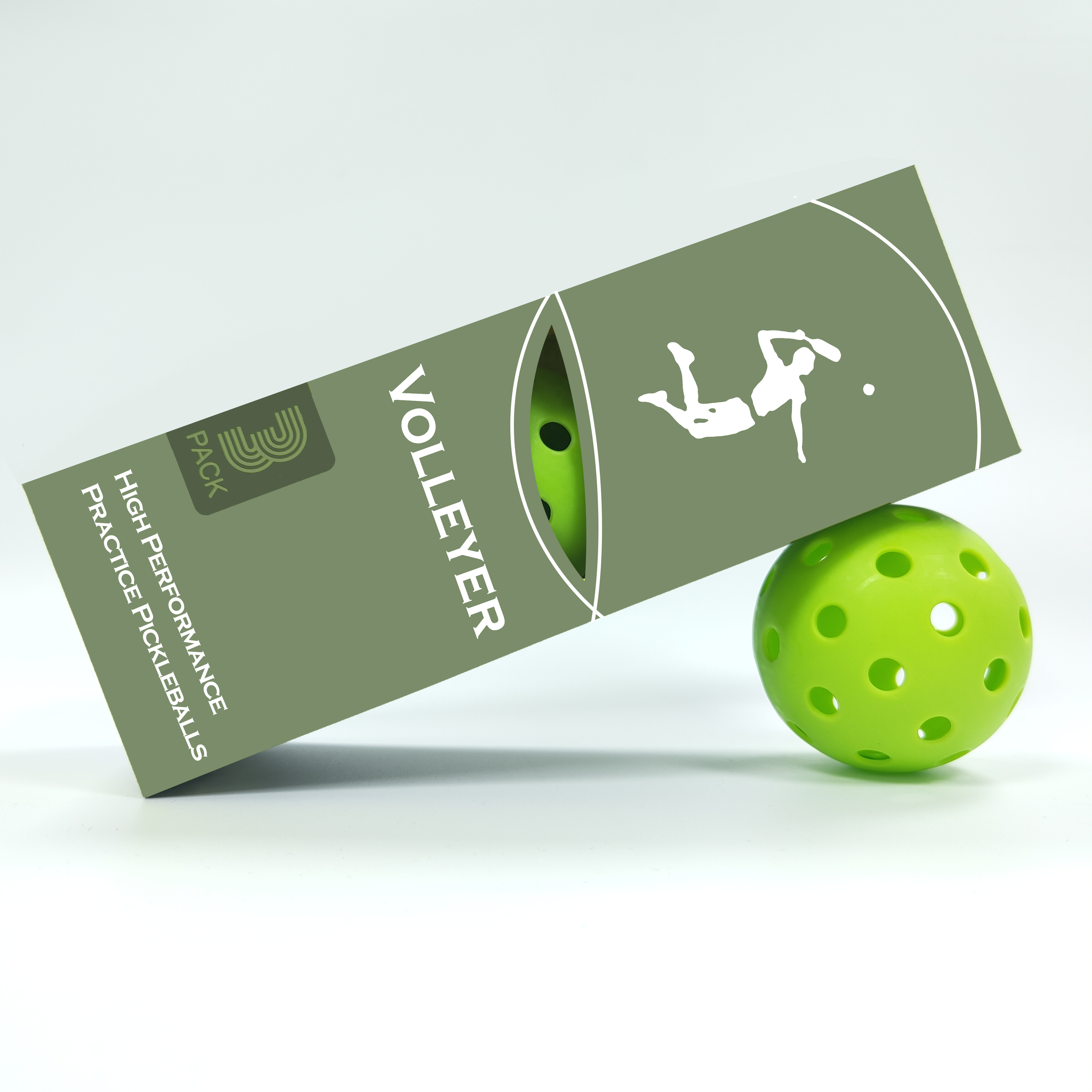
In pickleball, the transition zone is often described as the most difficult part of the court to master. It is the 15-foot stretch between the baseline and the non-volley zone (kitchen) where rallies are won or lost. Players caught in this space face fast drives, awkward low shots, and the constant challenge of staying balanced. While footwork and strategy are vital, the right equipment can make a huge difference in how effectively you handle this area of the court.
This guide explores how paddle design, weight, balance, grit, and accessories influence performance in the transition zone. We will highlight the Volleyer T700 as an example of how technology and design can support UK players, whether in a London leisure centre or an outdoor club in Brighton.
For more on positioning and movement, see our master guide to the transition zone.
Why Equipment Matters in the Transition Zone
The transition zone demands precision over power. Unlike the baseline, where big groundstrokes can dominate, or the kitchen, where delicate dinks control play, mid-court exchanges are about absorbing pace and resetting rallies.
The right equipment helps you:
- Cushion hard drives into soft resets.
- Maintain control under pressure.
- Reduce fatigue by matching paddle weight to your playing style.
- Adjust to UK conditions such as damp outdoor courts or fast indoor halls.
With the right paddle and accessories, you are not only more effective in this tricky area but also more confident when advancing toward the kitchen.
Paddle Weight: Finding the Right Balance
Lightweight Paddles (7.5–8 oz)
- Advantages: Easier to manoeuvre, quicker reactions, especially when blocking fast drives in the transition zone.
- Drawbacks: Less stability against heavy hitters, requiring more control from the player.
- Best for: Seniors or players in busy leisure centres like Brighton who prioritise quick hands.
Midweight Paddles (8–8.5 oz)
- Advantages: Balance of manoeuvrability and stability. Ideal for resets and controlled volleys.
- Drawbacks: Slightly less speed than ultralight paddles, but more forgiving under pressure.
- Best for: Most club players across the UK, especially in doubles.
Heavy Paddles (8.5 oz+)
- Advantages: More plough-through power, excellent for countering drives.
- Drawbacks: Can slow reactions in rapid exchanges. Fatiguing for long matches.
- Best for: Stronger singles players in competitive clubs who value stability over hand speed.
The Volleyer T700 at 8.4 oz sits in the sweet spot. It provides stability for handling fast balls in the transition zone while remaining light enough for quick reactions.
Paddle Balance: Head-Heavy vs Even-Balanced
- Head-Heavy Paddles: Add power to shots but can feel sluggish in fast rallies. Risky in the transition zone, where speed is crucial.
- Even-Balanced Paddles: Offer a blend of control and quick movement. These are ideal for absorbing pace and transitioning forward.
The T700 is designed with an even balance, ensuring players can both block effectively and respond quickly to sudden changes in play.
Grit and Surface Texture
Spin control is one of the biggest advantages in the transition zone. A gritty surface allows players to create backspin resets and topspin counters that stay low and difficult for opponents to attack.
- Paint Grit: Wears down quickly, especially on outdoor UK courts.
- Added Texture Coatings: Moderate durability, better suited for club-level play.
- Raw Carbon Fibre: Offers the longest-lasting grit and the best spin potential.
The T700 uses a raw Japanese Toray carbon fibre face, providing superior grip on the ball. For players looking to master resets and blocks, this grit helps ensure shots land softly in the kitchen.
Accessories That Support Transition Zone Play
1. Lead Tape
Adding lead tape to a paddle changes its feel and performance.
- Why use it: Adds stability against hard drives, making it easier to reset.
- How to apply: Place strips around the paddle’s edge to increase head weight, or near the handle to shift balance.
- UK Relevance: Players in windy outdoor conditions, such as Brighton or Blackpool, benefit from the added stability.
2. Overgrips and Sweat-Wicking Grips
Sweaty hands cause mishits and slips, particularly during long rallies.
- Why use it: Provides consistent grip and control.
- UK Relevance: Indoor courts in Manchester leisure centres often get humid, making sweat-wicking grips essential.
3. Paddle Covers and Cases
The UK’s unpredictable weather makes protecting paddles vital.
- Why use it: Shields against damp, dust, and damage. A cover also prolongs surface grit life.
- UK Relevance: Outdoor players in Cardiff or Edinburgh can protect paddles between games to maintain performance.
4. Paddle Erasers and Cleaning Kits
A clean paddle surface grips the ball better.
- Why use it: Restores surface texture by removing dirt and ball residue.
- UK Relevance: Particularly useful for players switching between outdoor and indoor courts where balls pick up more dust.
How the Volleyer T700 Excels in the Transition Zone
The Volleyer T700 carbon fibre paddle has been designed with the transition zone in mind:
- Weight: At 8.4 oz, it offers stability without sacrificing quick reactions.
- Balance: Even balance makes it versatile for both resets and volleys.
- Surface: Raw carbon fibre ensures lasting grit for spin control.
- Grip: Sweat-resistant handle aids in maintaining precision during long rallies.
For UK players facing fast drives in indoor settings or blustery outdoor conditions, the T700 provides a dependable edge.
Practical Tips for UK Players
- Clean your paddle weekly to maintain grit and control.
- Experiment with lead tape in practice sessions to find your preferred balance.
- Use covers to protect against damp, especially if storing equipment in leisure centre lockers.
- Replace grips regularly to avoid slipping in critical moments.
These simple steps keep equipment working in your favour and make you more confident in the transition zone.
Common Equipment Mistakes in the Transition Zone
- Using paddles that are too light: Leads to instability against hard drives.
- Ignoring surface wear: Smooth paddles reduce spin and control.
- Skipping accessories: Small investments like grips and erasers have a big impact.
- Failing to adapt to conditions: Outdoor players need more stability, indoor players need faster manoeuvrability.
Frequently Asked Questions
Does paddle weight really affect transition zone play?
Yes. A paddle that is too heavy slows your reactions, while one that is too light lacks stability against fast drives.
Is adding lead tape legal in tournaments?
Yes, as long as it does not alter the paddle face. Lead tape applied to the frame or handle is tournament-approved.
How often should I clean my paddle?
Ideally after every session, especially on outdoor courts where dirt builds up quickly.
What makes the Volleyer T700 suitable for UK players?
Its combination of raw carbon fibre grit, even balance, and midweight design makes it versatile for both indoor and outdoor conditions.
Conclusion
The transition zone is where rallies become battles of control, patience, and precision. Equipment can either hold you back or give you the tools to thrive in this demanding space. By choosing the right paddle weight, balance, and surface, and by using accessories like lead tape, grips, and covers, UK players can significantly improve their effectiveness.
The Volleyer T700 stands out as the best option for UK players looking to dominate the transition zone in 2025. Combining advanced materials with player-focused design, it ensures you can reset under pressure, block with confidence, and move toward the kitchen with authority.
For more on positioning and play, explore our full Transition Zone Master Guide and related cluster articles. Together, they provide everything you need to succeed on court, from London to Glasgow.