Pickleball is flourishing across the UK, with over 10,000 players and a 15% annual growth rate, transforming leisure centres in London, Manchester, Bristol, and Glasgow into vibrant hubs for enthusiasts. For beginners (40% of UK players) and advanced players alike, maintaining your pickleball paddle is essential to preserve spin, grip, and performance on the 20×44 ft court. A clean paddle ensures optimal play, especially for spin-heavy shots like those of Etta Tuionetoa (see our Thaddea blog).
To make this guide, we cross-referenced leading experts in the field and summarised their advice into one post explaining how to clean a pickleball paddle. We know how expensive pickleball paddles can be and how much time you can spend searching for the best one. It would be a waste to invest all that time, effort, and money, only to neglect looking after your paddle and maximising its lifespan.
We will highlight cleaning techniques for specific models, such as carbon fibre pickleball paddles like our own USAPA-approved Volleyer T700 (£64.79, down from £107.98). With weather as pleasant as it always is in the UK, pickleball paddle maintenance is especially important to handle the often wet and harsh conditions.
For pickleball basics, see our what is pickleball guide. Shop Volleyer Now to find the best pickleball paddle in the UK!

Why Cleaning Your Pickleball Paddle Matters for UK Players
Regular cleaning maintains your paddle’s performance, as dirt, sweat, and ball residue reduce grip and spin. For UK players, damp conditions on outdoor Southampton courts or dusty indoor Manchester venues accelerate grime buildup, impacting shots like dinks and topspin serves (see our spin guide). A clean paddle, like the Volleyer T700, ensures:
- Preserved Spin: Keeps the carbon fibre face textured for spin-heavy shots, as seen in Federico Staksrud’s play (see our Staksrud guide).
- Grip Performance: Maintains the sweat-wicking grip for control in wet UK weather (see our wet weather tips).
- Durability: Extends paddle life, saving costs for frequent players in Cardiff.
- USAPA Compliance: Ensures the paddle remains tournament-legal for events like the English Championships.
Tools and Materials for Cleaning a Pickleball Paddle
You can gather together all the supplies you need from everyday items you will have in your house already:
- Microfiber Cloth: Soft, non-abrasive, £2–£5 at Tesco or Amazon UK.
- Mild Dish Soap: E.g., Fairy Liquid (£1–£2 at Sainsbury’s), safe for paddle faces.
- Water: Lukewarm tap water to avoid damaging materials.
- Paddle Eraser: E.g., CRBN Pickleball Paddle Eraser (£9.99 online), for tough grime, per PlayPickleball.
- Isopropyl Alcohol (70%): For stubborn stains, you can find this in your local Boots or Amazon for £3–£5 .
- Soft Toothbrush: For textured faces, You don’t need to look much further than your local shop, like at Asda you can get one for aprox £1.
- Paddle Cover: Protects against UK dampness, £5–£10 at pickleball.co.uk.
Avoid: Abrasive cleaners, bleach, or sandpaper, which can damage carbon fibre, and violate USAPA rules.

Step-by-Step Guide to Cleaning Your Pickleball Paddle
Step 1: Wipe Down After Each Session
- What to do: Use a dry microfiber cloth to remove surface dust and sweat post-play.
- UK tip: Essential after playing on damp Brighton courts to prevent grime buildup.
- Time: 1–2 minutes.
- Why: Prevents residue from hardening, preserving the T700’s spin.
Step 2: Weekly Deep Clean
- What to do: Mix a teaspoon of mild dish soap (e.g., Fairy Liquid) with 500ml lukewarm water. Dampen a microfiber cloth and gently wipe the paddle face, focusing on the carbon fibre texture, per Selkirk.
- UK tip: Ideal for indoor Leeds courts where dust accumulates.
- Time: 5 minutes.
- Why: Removes ball residue and oils, maintaining spin for dinks (see our kitchen rules guide).
Step 3: Tackle Stubborn Stains
- What to do: Apply a small amount of 70% isopropyl alcohol to a microfiber cloth. Wipe gently, then rinse with a damp cloth. This will remove most of those tougher stains and get your paddle a lot closer condition to when you first bought it.
- Time: 3–5 minutes.
- Why: Restores the T700’s textured surface without damage.
Step 4: Clean the Grip
- What to do: Wipe the grip with a damp cloth and mild soap, or use a paddle eraser for sweat buildup, per PlayPickleball. Dry thoroughly to maintain the T700’s sweat-wicking properties.
- UK tip: Crucial for damp Glasgow conditions (see our grips guide).
- Time: 2–3 minutes.
- Why: Ensures control during long rallies.
Step 5: Dry and Store
- What to do: Air-dry the paddle completely, then store in a paddle cover.
- UK tip: Protects against UK humidity, especially in Cardiff.
- Time: 10–15 minutes drying.
- Why: Prevents moisture damage to the T700’s core.
Shop Volleyer Now to keep your T700 in top shape!
UK-Specific Cleaning Tips

- Damp Weather: Clean the T700’s grip after every outdoor session in wet Brighton or Southampton to maintain control (see our wet weather tips).
- Rough Courts: Use a soft toothbrush on the T700’s carbon fibre face monthly to remove embedded dirt from abrasive UK courts, as JustPaddles suggests.
- Indoor Dust: Wipe the paddle before and after indoor play in Manchester to combat dust, per PlayPickleball.
- Tournament Prep: Deep clean your USAPA approved T700 before events like the English Championships to ensure compliance and performance, per Selkirk.
Common Mistakes to Avoid
The last thing we want is for you to damage your paddle, we don’t underesimate the cost of some paddles. Here are some highlighted pitfalls that we strongly suggest you avoid:
- Using Harsh Chemicals: Bleach or acetone damages carbon fibre, violating USAPA rules.
- Over-Scrubbing: Aggressive scrubbing wears down the T700’s texture, reducing spin.
- Wet Storage: Storing a damp paddle causes mould, especially in the humid UK climate.
- Sanding the Face: Illegal for tournaments and damages the paddle, per USAPA Rule 2.E.
If you are looking for mistakes you may be making in your pickleball game, you may want to read our mistakes guide and before you know if your game will be dramatically improved.
Why Choose the Volleyer T700 for Easy Maintenance
The Volleyer T700 is the best pickleball paddle in the UK for cleaning and performance:

- Japanese Toray Carbon Fibre: Durable, textured face retains spin after cleaning, ideal for pros like Tuionetoa.
- Polypropylene Core: Resists moisture damage, perfect for damp UK courts.
- Sweat-Wicking Grip: Easy to clean, ensuring control in Glasgow’s indoor venues.
- USAPA Approved: Tournament-ready for London’s English Championships.
- Price: £64.79 (was £107.98), offering premium quality at a discount.
Shop Volleyer Now to maintain your paddle effortlessly!
Practising with a Clean Paddle in the UK
A clean paddle enhances performance at these UK venues:
- Barnet Burnt Oak Leisure Centre, London (Watling Avenue, London HA8 0NP): Indoor courts for dinking drills.
- The Albert Club, Manchester (39-41 Old Lansdowne Road, Manchester M20 2PA): Ideal for serve practise.
- Ashton Gate Sports Centre, Bristol (Ashton Road, Bristol BS3 2EJ): Converted courts for beginners.
- Glasgow Pickleball Club at Bellahouston (31 Bellahouston Drive, Glasgow G52 1HH): Indoor facilities for volley drills.
Drills:
- Practise 20 topspin serves with a clean T700 to maximize spin (see our spin guide).
- Run 15 dinking drills to leverage the clean surface’s control (see our kitchen rules guide).
- Perform 10 baseline-to-net sprints for agility (see our drills guide).
Find more venues via www.playpickleball.uk.
Frequently Asked Questions
How do you clean a pickleball paddle in the UK?
Use a microfiber cloth, mild soap, and water; for tough stains, try a paddle eraser or isopropyl alcohol, per Selkirk.
How often should I clean my paddle?
Wipe after each session and deep clean weekly, especially for damp UK courts. Only takes a few seconds and it means when you get it back out again to play your next game, it will be clean and fresh.
What’s the best pickleball paddle for easy cleaning?
Any paddle is cleanable, generally the smoother the surface the easier to clean. However, I wouldn’t suggest compromising on performace, which a soother surface would do, to get a quick win. Focus on finding the paddle that best suits your game and playing style.
Where can I practise in the UK?
It really depends where you live, Pickleheads do a great map of all the locations around the UK if you want to check that out. A few suggestions are the Barnet Burnt Oak (London HA8 0NP) or The Albert Club (Manchester M20 2PA).
Join the Volleyer Community
Join the UK’s thriving pickleball community with #VolleyerUK. Whether in Bristol or London, keep your Volleyer T700 pristine for top performance. Explore pro insights in our guides (see our Tuionetoa guide or materials guide). Visit volleyer.co.uk for top paddles and resources in 2025.
Ready to keep your paddle in top shape? Shop Volleyer Now for the Volleyer T700 and dominate UK courts!
Top rated products
-
Handcrafted with Japanese Toray® T700 raw carbon — The Paddle That Gives You Pro-Level Spin and Control
Original price was: £91.78.£55.07Current price is: £55.07. -

Practice Longer, Play Better — Volleyer 3 Ball Practice Pack
£6.96 -

Vintage Canvas Duffle Bag for Men & Women | Luxury Weekender Gym Travel Tote
£95.00 -

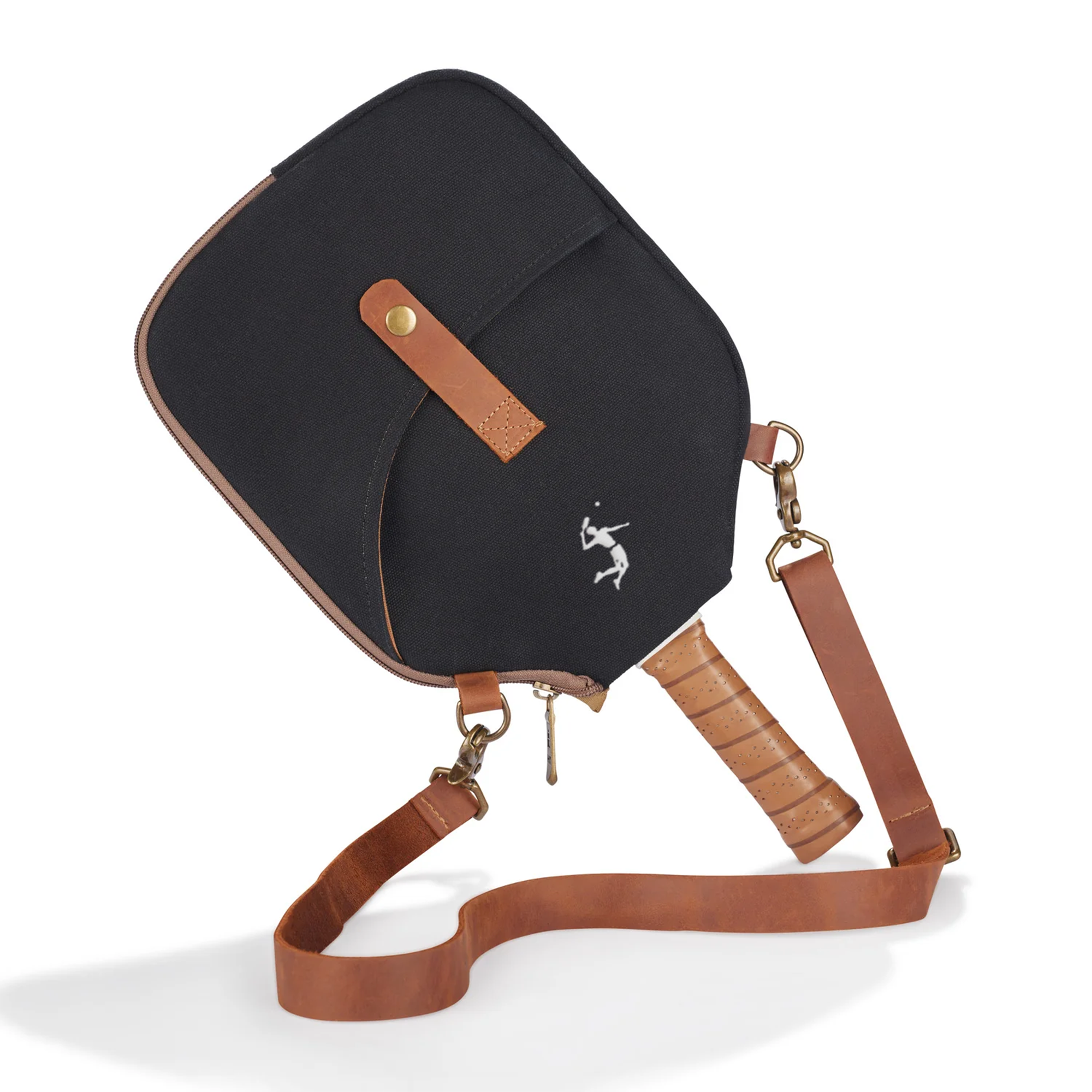
Heritage Canvas Pickleball Paddle Sling Bag | Custom UK Sleeve with Strap
£45.00 -

Premium Cashmere Knit Half-Zip Jumper
£115.00

If our product wasn’t right for you, let us know why…
Thanks for checking out our paddles! We’d love to know what stopped you from buying today. Your feedback helps us improve.

